

Thermal conversion systems · Made in Germany
Technology
Our carbonization systems convert biogenic residues into high-quality biochar – reproducible, scalable and with the potential for CO₂ certificates. From feasibility study to day-to-day operation, we are at your side as your technical partner.

Technology and value creation
The key technology for circular business models.
Our systems are the technological foundation of your value chain. They transform biogenic residues with high efficiency on an industrial scale. Our pyrolysis technology thus provides the reliable, reproducible basis on which you can produce high-quality biochar and realize downstream, certifiable climate benefits.
THE BIG PICTURE
We turn waste into a raw material, an energy source and the foundation for carbon sinks.
1. Circular Economy
Waste becomes a valuable resource. Through pyrolysis, residual wood, sewage sludge or agricultural residues become high-quality, high-yield biochar — instead of disposal costs.
2. Clean Energy
Energy straight from the process: the surplus heat and energy-rich syngas generated during pyrolysis are extracted with high efficiency. Integrate this potential into your own production.
3. Carbon Removal
Additional returns. Every tonne of biochar permanently binds CO₂ — opening the door to the carbon credit market.
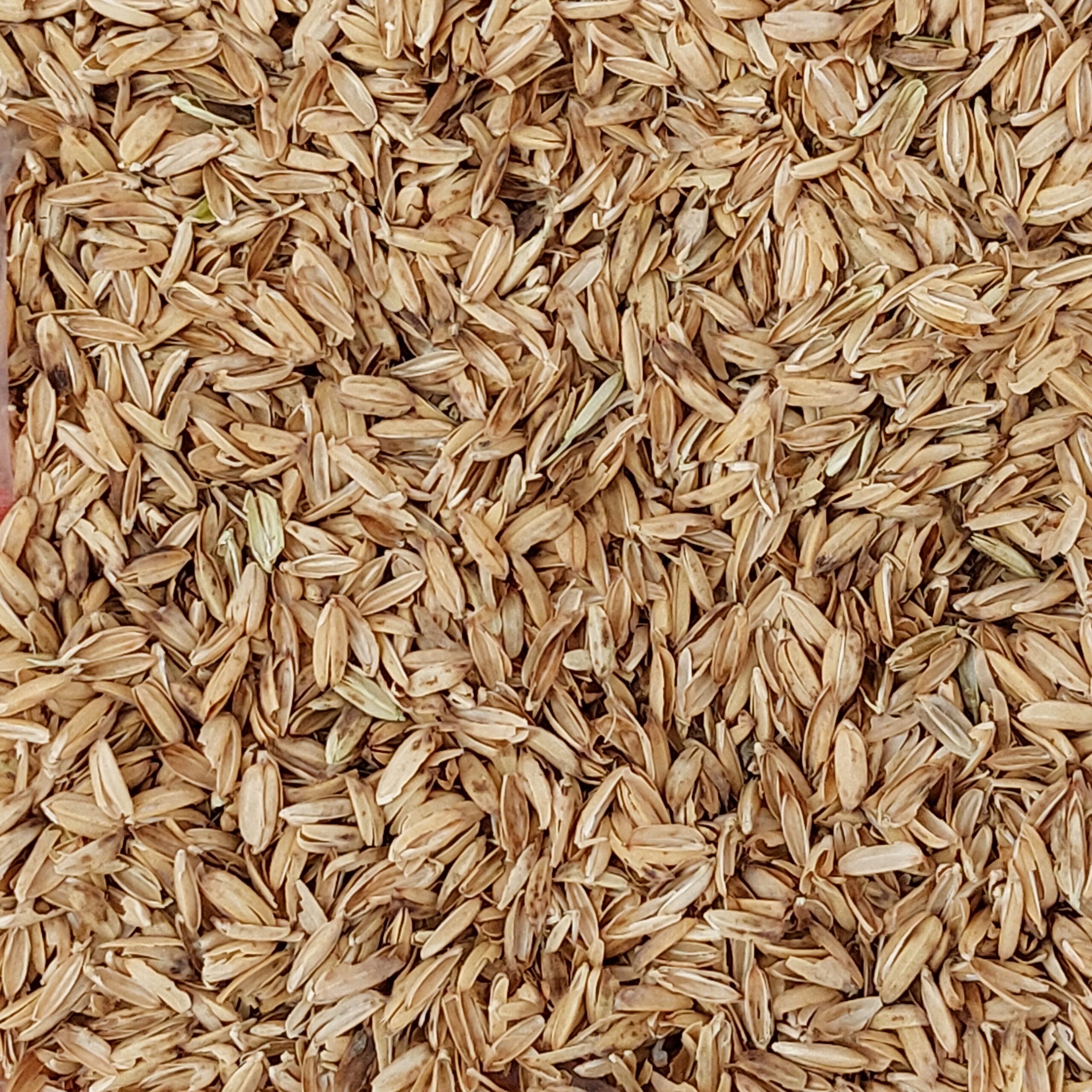
Rice husks
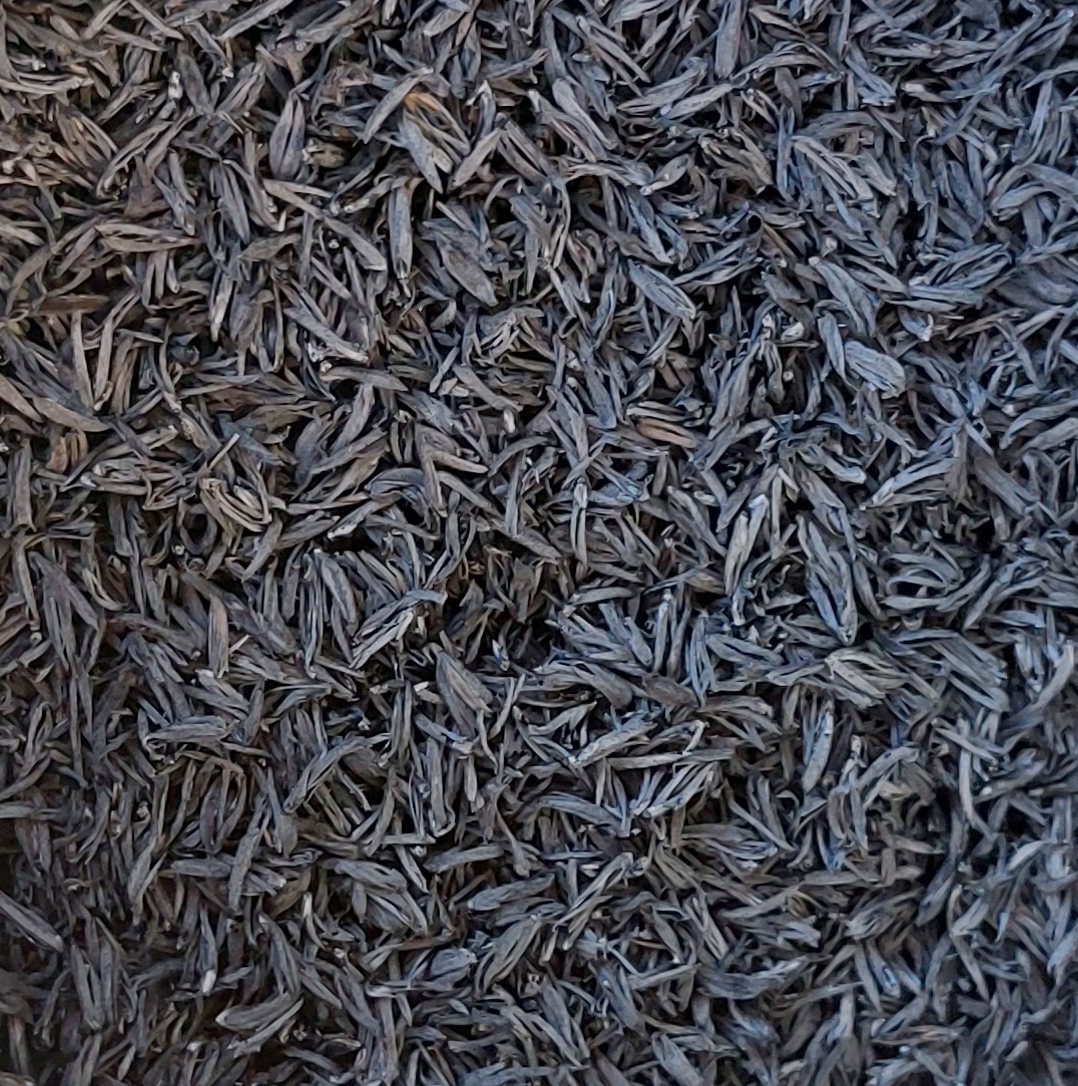
Miscanthus (reed)
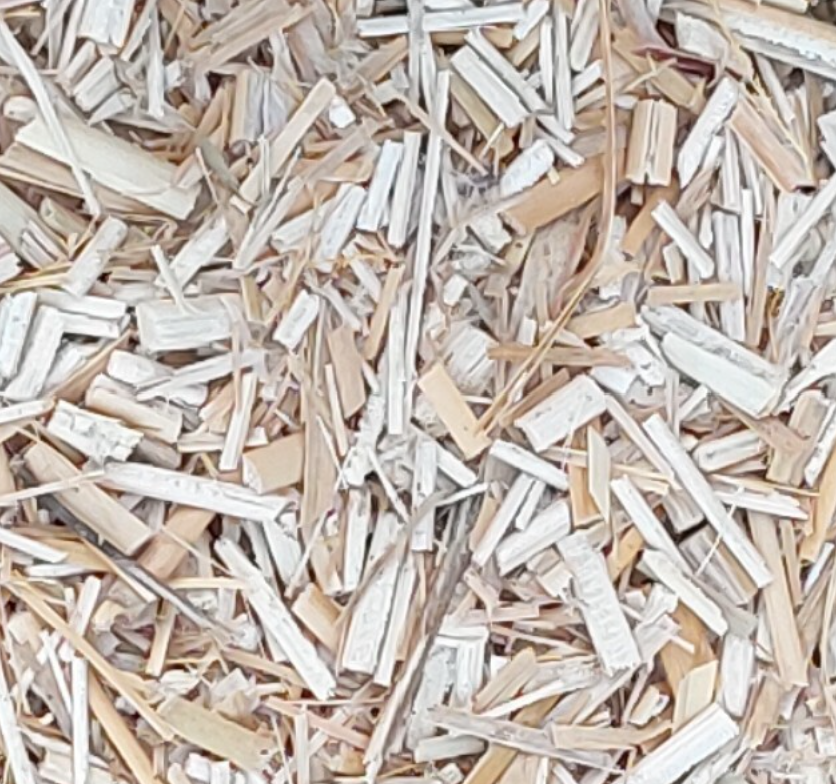

Firewood (wood chips)


Green cuttings


Spelt husk pellets


Used tyres (special application)


Plus experience with more than 100 other biomass types
Biochar: the sustainable high-performance material for industry
Through the thermochemical refinement (pyrolysis) of biogenic substrates, TEC-SC technology produces a technical solid carbon that sets new standards as a versatile material in industry and agriculture.
- Optimized pore structure: Extremely high specific surface area (micropores) for adsorption and filtering processes.
- High purity & stability: Maximum carbon concentration with long-term chemical resistance.
- Flexible performance spectrum: Wide pH adjustment for specific industrial requirements.
Plus experience with more than 100 other biomass types
Product line
Scalable carbonization technology: from compact to large-scale industry
Our plant technology grows flexibly with your requirements. We offer tailor-made solutions for every scale – from the transportable, energy-self-sufficient unit for decentralized use to the fully automated multi-reactor plant. Do you have special requirements? We engineer industrial carbonization plants precisely beyond the standard classes. Your investment security: all plants are designed from the ground up to meet the strict criteria of international certification bodies. This guarantees reproducible, fully documented biochar quality at an industrial level.
Technology and service
Far more than plant engineering: we accompany you from the first idea to successful commissioning.
TEC-SC delivers your carbonization project as a reliable partner across all project phases. From a well-founded feasibility study and profitability analysis to turnkey installation and ongoing operation, our engineers bring deep practical experience in pyrolysis technology. Whether a compact modular unit or a large industrial plant – we engineer the technologically and economically optimal solution for you.
10+
Years of project experience — proven engineering expertise in thermal conversion.
1
Responsibility — one continuous point of contact from idea to operation.
Our approach
Five steps: from the first question to the finished plant.
01
Initial consultation & needs analysis
What is your starting point? Which biomass, which site, which goal? We listen first — and ask the questions that save money later.
02
Proposed solution
The plant class that fits your profile — from the self-sufficient unit to the industrial plant — plus all worthwhile extensions. Reasoned, comparative, transparent.
03
Individual business proposal
A proposal tailored specifically to your case, with pricing structure, scope of delivery, timeline and optional service packages.
04
Feasibility study
On request: a techno-economic feasibility study incl. investment calculation, payback period, carbon credit potential and sensitivity analyses.
05
Support & commissioning
Engineering support, staff training, on-site commissioning and multi-year after-sales support — we remain your point of contact.
WHAT WE COVER
Consulting fields in detail.
Market & trend analysis
Current developments in the carbonization and biochar industry worldwide: regulatory trends, market prices, programmes, competing technologies.
Equipment selection
Which technologies are available on the market today — from micro retorts to continuous industrial plants. Comparison, evaluation, recommendation.
Profitability analysis
Detailed CAPEX/OPEX modelling, cash-flow projection, payback period and scenario analyses for your site and business model.
Carbon credit strategy
Advice on CO₂ removal certificates under the EU Carbon Removal Certification Framework (CRCF), including the new EU methodology for biochar (Biochar Carbon Removal). Quantification, integration with established certification platforms, and realistic revenue expectations.
Permitting support
German Federal Immission Control Act (BImSchG), building law, waste law: which permits you need for your site, how the process works and how we support you.
Training & commissioning
We train your staff — operation, safety, maintenance, quality assurance. We also stay at your side during ongoing operation and optimize together with you.
SPECIAL TOPIC
Climate action that pays off.
Every tonne of permanently bound biochar is a certifiable climate benefit.
Methods
Audits
Certification
Access to trading platforms
Biochar (basics)
What is biochar and how is it produced?
Biochar is a solid, highly porous carbon material obtained through pyrolysis – the thermal decomposition of biogenic substrates at 400–800 °C with complete exclusion of air. Unlike conventional barbecue charcoal, this material contains over 94 % pure carbon and has high chemical stability, which means it does not decompose in soils or industrial applications for centuries and permanently removes the bound CO₂ from the atmosphere.
Where exactly is biochar used and who are the main buyers?
Biochar is purchased by agricultural businesses as a feed additive for livestock farming and as a soil amendment for storing moisture and nutrients in the root zone. In heavy industry and metallurgy it serves as a renewable substitute for fossil coke in the production of green steel, and it is also used as a component in building materials, filter systems and wastewater treatment.
Which quality and pollutant standards apply to biochar on the market?
Recognized quality and pollutant standards apply in the EU, strictly regulating limit values for pollutants such as polycyclic aromatic hydrocarbons (PAHs). Corresponding certification is the legal prerequisite for officially marketing and using biochar in feed production and agriculture within the European Union. The operator applies for it for their own production cycle; our plants are designed to meet the respective requirements.
How does the feedstock influence the properties of the finished biochar?
The physico-chemical parameters of the end product depend directly on the density, particle size and moisture of the biomass used. Hardwood yields a mechanically stable biochar for metallurgical purposes, while agricultural residues such as corn cobs or husks form a brittle structure with an extremely high specific surface area, ideally suited to sorption tasks and water storage.
Why is biochar considered a carbon sequestration tool?
When wood and agricultural waste rots naturally or is burned, the carbon it contains combines with oxygen and returns to the atmosphere as CO₂. Pyrolysis interrupts this cycle by converting up to 50 % of the biomass carbon into a stable, solid form which, when incorporated into the soil, isolates the carbon for centuries and thus forms a permanent geological CO₂ sink.
Plants and technology
Which plant classes and configurations does TEC-SC offer?
The portfolio comprises the self-sufficient, batch-operated retorts Carb-BS (0.3 m³ batch volume) and Carb-BL (1.9 m³ batch volume) as well as the automated industrial continuous plants of the Carb-A2 series. These industrial plants have a modular design and are scaled by the number of carbonization chambers depending on project requirements, allowing systems with two, four, eight or more chambers.
Do the Carb-B series retort systems really work without electricity and water?
Yes, the Carb-BS and Carb-BL models are fully energy-self-sufficient and require no connection to electricity, water or gas networks. External fuel such as dry wood or wood chips is only needed in the start-up phase to heat the system to operating temperature; after that, the process sustains itself through the thermal utilization of the pyrolysis gases generated in the system.
Which biomass input materials can be processed in TEC-SC plants?
The plants process wood chips, split logs, green cuttings, vines, corn cobs, nut shells and other solid biogenic residues. To ensure the projected throughput and homogeneous char quality, the input material must have a uniform particle size and a relative residual moisture in the range of 20 to 25 %.
Which customer groups and companies are your plants designed for?
The self-sufficient retorts of the Carb-B series are used by farms, forestry operations, municipalities and research centres for decentralized processing of wood and green waste directly where it is generated. The automated multi-chamber plants of the Carb-A2 series are designed for the wood-based materials industry, specialized biochar producers and industrial companies with continuous biomass streams.
What ensures the consistent quality of biochar in the automated plants?
In the multi-chamber continuous plants of the Carb-A2 series, a programmable logic controller (PLC) manages the process by regulating temperature, material feed and residence time in the pyrolysis zones in real time. This automation minimizes human influence and ensures reproducible physico-chemical properties of the biochar in every batch – a basic prerequisite for supply contracts with industrial B2B buyers.
From biochar project to CO₂ revenue
Here you will learn, without technical jargon, how a project idea becomes a legally compliant industrial plant and a new source of income.
The business model: how does a biochar project pay off?
A successful project stands economically on three legs. When calculating profitability, please do not count the pure char sales alone.
The 3 pillars of the revenue side:
- Physical product sales: Certified biochar as a premium raw material for agriculture or industry.
- Disposal savings: You use residues whose disposal or landfilling would otherwise cost you money (e.g. green cuttings, shells, husks).
- Additional revenue & energy: The sale of CO₂ certificates (carbon credits) plus the use of surplus process heat for your own buildings or drying processes.
Practical tip for your calculation: For a well-tuned plant, the rule of thumb is: around 4 tonnes of biogenic residues (at approx. 20 % moisture) yield about 1 tonne of high-quality biochar. This one tonne permanently binds almost 3 tonnes of CO₂ equivalents, which you can place on the market as certificates.
Navigating the permitting jungle: what matters in the EU?
Building a pyrolysis plant is an industrial project and, in Germany and the EU, touches on building law and environmental law (specifically the German Federal Immission Control Act – BImSchG).
What you need to watch from the very beginning:
- Air quality control: The combustion of the pyrolysis gases must be controlled to be extremely clean and low-emission.
- Waste management: It must be demonstrated without gaps where the biomass comes from (sustainability evidence).
- Dialogue with the authorities: Only submit documents once the technical documentation (plant layouts, emission values) is absolutely watertight. This saves months of waiting. Our engineering department supports you here with turnkey documentation.
What are CO₂ removal certificates (CRCF) and how do they generate revenue?
When you produce biochar, you do something unique: you capture CO₂ that would otherwise be released as the plants decompose. On the market this is called Carbon Dioxide Removal (CDR).
What is a CO₂ removal certificate? It is a digital asset confirming that exactly one tonne of CO₂ has been permanently removed from the atmosphere. In the EU, the Carbon Removal Certification Framework (CRCF, Regulation (EU) 2024/3012) governs such certificates; since February 2026 there is a dedicated methodology for biochar (Biochar Carbon Removal, BCR).
Who buys them? Large international companies (e.g. from the tech or finance sectors) that need to offset their unavoidable emissions. Buyers pay significantly higher prices for such CO₂ removal certificates than for conventional forest protection certificates, because biochar is measurable and permanent.
The step-by-step guide to CO₂ monetization
How do smoke and heat become a tradable certificate? The process always follows these four steps:
1. Proof of origin ➔ 2. Operating log ➔ 3. Audit (LCA) ➔ 4. Payout
- Biomass evidence: You document that your input (e.g. sawdust or nut shells) is a genuine residue and that no forests were cleared specifically for it.
- Process monitoring: The plant must continuously record that the pyrolysis temperature (usually 400–800 °C) was kept constant to ensure char quality.
- The eco-audit (Life Cycle Assessment): An independent auditor reviews the entire chain (including transport routes and the plant’s electricity consumption). This “own consumption” is deducted. The rest is your net CO₂ gain.
- Sale on platforms: The verified CO₂ removal certificates are registered on established certification and trading platforms and sold via long-term contracts or spot markets.
Your advantage: Our automated industrial plants (Carb-A2 series) already record all this data fully automatically via the software control system (PLC). They are compatible with the major platforms as standard – saving you expensive software retrofits at audit time.
Does this also work on a small scale (e.g. with decentralized retorts)?
Yes, absolutely. The CO₂ market does not assess the size of your factory, but the stability of your end product and the cleanliness of the process.
You can also generate carbon credits with smaller retorts that need no electricity or water supply (such as our Carb-B series). Since the volumes of individual batches are often too small for the world market, a clever principle is used here: Pooling. Several decentralized producers virtually pool their volumes, have them audited together and sell them collectively on the CO₂ exchanges.
After launch: what secures long-term success?
Building a plant is one thing – operating it profitably for years is another. For stable operation, you should have three points on your agenda:
- Staff certification: Your team must not only know which buttons to press on the control system, but understand the thermodynamics of pyrolysis and master safety rules (high temperature/pressure) by heart.
- Input flexibility: If your feedstock changes (e.g. from hardwood chips to wetter agricultural residues), the temperature and material feed must be adjusted immediately. Otherwise char quality suffers – and with it your certification.
- Regular audits: Certificates for the CO₂ market must be renewed annually through surveillance audits. Clean remote monitoring of plant data is half the battle here.
ABOUT US
A young company. Decades of experience.
TEC-SC is a new face on the market – but our roots run deep. Behind our brand stands a well-established network of engineers and practitioners with more than 10 years of international experience in thermal conversion. We have not merely studied this technology – we have built it and supported it in continuous operation across borders, from single units to industrial plants.
Today we use this knowledge to offer you turnkey solutions as an independent technical partner: certifiable biochar and new, profitable revenue streams from biogenic residues.
TEC-SC = Thermal Conversion · Solid Carbon. Solid, high-purity carbon structures from biogenic residues.
Contact
Submit a technical enquiry
Tell us what you need – we will get back to you within 48 hours with a qualified response.
